
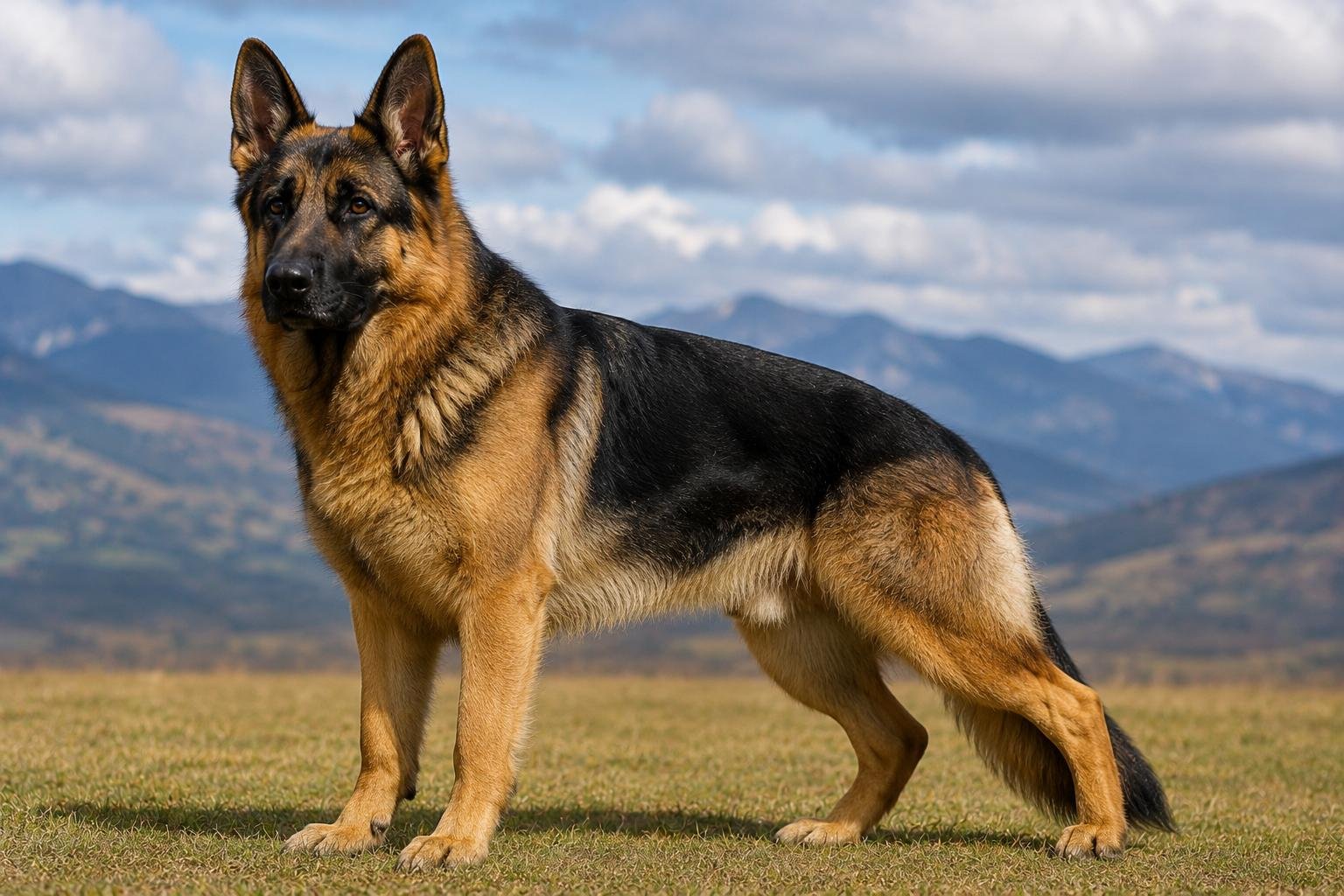
German Shepherd Guide: 7 Essential Tips for a Healthy Dog
German Shepherd guide for beginners, experienced dog owners, breeders, and show enthusiasts – everything you need to know about this remarkable breed, from its proud history and distinctive structure to training, nutrition, health, and everyday care.
There’s something extraordinary about a German Shepherd Dog. Maybe it’s those alert, intelligent eyes. Perhaps it’s the confident stance or the way this magnificent dog combines athletic strength with an almost instinctive understanding of its owner.
But here’s the thing: owning a German Shepherd isn’t just about admiring its appearance. It’s about understanding what makes this breed special and providing the right environment for it to thrive.
Whether you’re raising your first German Shepherd puppy in India or preparing your dog for the show ring, this comprehensive guide will help you make informed decisions.
Table of Contents
- German Shepherd History and Origins
- German Shepherd Breed Standard and Body Structure
- German Shepherd Temperament and Socialization
- German Shepherd Training
- German Shepherd Diet and Nutrition
- German Shepherd Health and Exercise
- German Shepherd Grooming and Daily Care
- Frequently Asked Questions
- Final Thoughts
1. German Shepherd Guide to Breed History and Origins
The German Shepherd Dog has a fascinating history rooted in late 19th-century Germany.
In 1899, Captain Max von Stephanitz helped establish the modern breed and founded the Verein für Deutsche Schäferhunde (SV), the German Shepherd Dog Association.
His goal wasn’t simply to develop a beautiful dog. He wanted an intelligent, capable, dependable working companion.
Horand von Grafrath: The Foundation of the Breed
Horand von Grafrath became the first dog registered in the SV stud book, carrying registration number SZ 1.
His athleticism, alertness, and working ability represented the qualities von Stephanitz wanted future generations to inherit.
Today, German Shepherds excel in police work, search-and-rescue operations, obedience competitions, herding, and family companionship.
The breed’s versatility is no accident. It’s the result of generations of selective breeding focused on intelligence, endurance, and functionality.
2. Understanding the German Shepherd Breed Standard and Structure
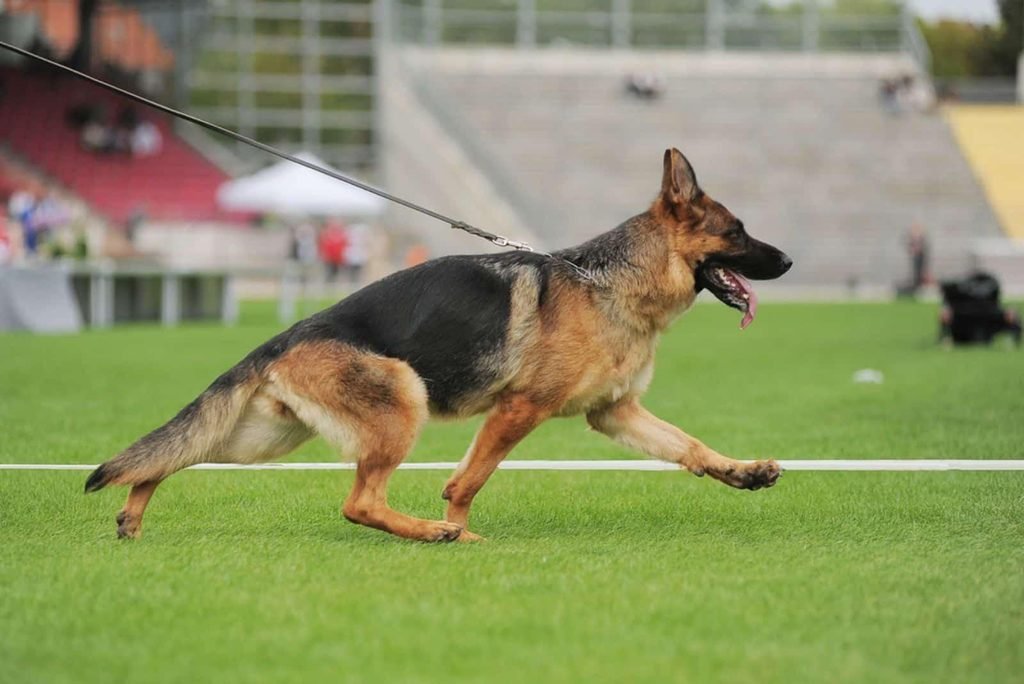
Have you ever watched a German Shepherd trot effortlessly across an open field?
That graceful movement is the product of carefully balanced anatomy.
According to the Fédération Cynologique Internationale (FCI) breed standard, the German Shepherd should be powerful, muscular, slightly elongated, and structurally sound.
German Shepherd Height and Body Proportions
The recognised height standards are:
- Adult males: 60-65 cm at the withers.
- Adult females: 55-60 cm at the withers.
- Body proportions: The body should be approximately 10-17% longer than its height at the withers.
These proportions help create the balance required for efficient movement.
For German Shepherd breeders and show handlers, monitoring height and structural development is particularly important.
Accurate measurement also helps owners track their growing dogs. A dedicated German Shepherd height measuring scale can be a practical addition to a kennel or show-training setup.
The Famous German Shepherd Trot
Unlike breeds built primarily for short bursts of speed, German Shepherds are renowned for their ground-covering trot.
Their movement should appear smooth and coordinated, with the hindquarters generating propulsion and the forequarters providing balanced reach.
Why Correct Angulation Matters
Shoulder placement, rear angulation, muscular development, and back stability all influence movement.
Excessive angulation doesn’t automatically mean better movement. Good structure means balanced, functional anatomy that supports long-term mobility.
For show enthusiasts, evaluating a German Shepherd should involve both standing structure and natural movement – not appearance alone.
3. German Shepherd Temperament and Early Socialization
An impressive physique means little without a dependable temperament.
A well-bred German Shepherd should be confident, attentive, adaptable, and willing to cooperate.
These dogs often develop strong bonds with their families while remaining naturally observant around unfamiliar people.
However, protectiveness and aggression are not the same thing.
Why Early Socialization Is Essential
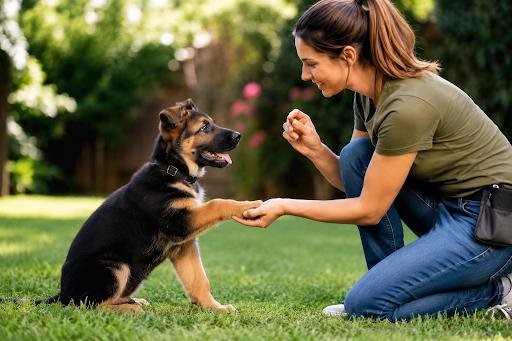
A significant early socialization period occurs during the first few months of a puppy’s life, commonly around 3-14 weeks, although development continues well beyond this stage.
During this period, introduce your puppy to positive experiences involving:
- Different people, including children.
- Common household noises and appliances.
- Safe outdoor environments and varied surfaces.
- Calm, healthy, vaccinated dogs.
- Gentle handling, grooming, and veterinary visits.
For puppies living in Indian cities, gradual exposure to traffic sounds, scooters, visitors, and neighbourhood activity can be particularly helpful.
Remember: Good socialization isn’t about forcing a puppy into frightening situations. It’s about building confidence through positive experiences.
Ask your veterinarian how to balance early socialization with vaccination-related infection risks.
4. German Shepherd Training: Building Intelligence Into Obedience
German Shepherds are incredibly capable learners. But intelligence without direction can quickly turn into boredom and unwanted behaviour.
That’s why training should begin early.
Start With Basic Obedience
Teach essential commands such as sit, stay, come, down, leave it, and loose-leash walking.
Keep lessons short, enjoyable, and consistent.
Use food rewards, praise, and play to reinforce the behaviours you want.
The American Veterinary Society of Animal Behavior recommends reward-based training methods rather than aversive techniques.
Mental Stimulation Matters as Much as Exercise
A physically tired German Shepherd isn’t necessarily mentally satisfied.
Try incorporating:
- Scent games and treat-search activities.
- Puzzle feeders and interactive toys.
- Short obedience sessions.
- Age-appropriate tracking exercises.
- Structured play and recall practice.
For aspiring show dogs, teach calm standing, comfortable handling, controlled movement, and positive interaction with unfamiliar people.
Training should develop confidence and cooperation, never fear.
5. German Shepherd Diet and Nutrition for Healthy Growth
Nutrition is one of the most important parts of any German Shepherd guide.
Your dog’s nutritional needs change with age, body condition, activity level, and health.
A growing puppy requires a different nutritional balance from an adult working dog or a senior companion.
What Should a German Shepherd Eat?
Choose a complete, balanced diet appropriate for your dog’s life stage.
A suitable diet should provide:
- Quality, digestible protein for muscle maintenance.
- Appropriate dietary fats for energy and skin health.
- Balanced calcium and phosphorus for skeletal development.
- Essential vitamins and minerals.
- Sufficient calories without promoting excessive weight gain.
Large-breed puppies need controlled growth, not artificially accelerated growth.
Overfeeding can contribute to excessive weight gain and place additional stress on developing joints.
Are Supplements Necessary for German Shepherds?
Not every German Shepherd needs supplements.
However, certain dogs may benefit from veterinarian-recommended nutritional support when a specific dietary or medical need exists.
For example, omega-3 fatty acids may be considered for skin and coat support, while joint-support ingredients are sometimes used in mobility-management plans.
At DogsandFur, owners can explore premium canine nutrition and wellness products.
Important: Supplements should complement an appropriate diet, not replace balanced nutrition or veterinary treatment. Avoid adding calcium to a complete large-breed puppy diet without veterinary guidance.
6. German Shepherd Health, Joint Care, and Exercise
German Shepherds are athletic dogs, but their physical capabilities shouldn’t make us overlook potential health concerns.
Common German Shepherd Health Problems
Some important conditions owners should understand include:
- Hip dysplasia: Abnormal hip-joint development that may contribute to pain and arthritis.
- Elbow dysplasia: Developmental joint abnormalities affecting forelimb mobility.
- Degenerative myelopathy: A progressive neurological disorder that affects some dogs.
- Gastric dilatation-volvulus (GDV): A potentially fatal condition involving stomach distension and twisting.
Regular veterinary examinations, responsible breeding practices, weight management, and appropriate exercise are essential.
Protecting Your German Shepherd’s Joints
Maintain a lean body condition throughout your dog’s life.
Growing puppies should avoid excessive repetitive jumping, strenuous forced running, and high-impact activity inappropriate for their development.
Growth plates can remain open well beyond 12 months, depending on the individual dog and the bones involved.
Ask your veterinarian before beginning demanding agility or conditioning programmes.
How Much Exercise Does a German Shepherd Need?
Healthy adult German Shepherds generally require substantial daily activity, often spread across walks, play, training, and mentally challenging tasks.
There is no universal exercise duration suitable for every dog.
A puppy, senior dog, and highly conditioned working Shepherd will have very different requirements.
Preventing Bloat in German Shepherds
German Shepherds are among the breeds susceptible to GDV.
Practical precautions include avoiding one large daily meal, discouraging rapid eating, and limiting intense exercise immediately around feeding.
Watch for unsuccessful retching, abdominal swelling, unusual restlessness, or collapse.
These signs require immediate emergency veterinary attention.
Read more about large-breed nutrition and GDV risk factors.
No feeding routine eliminates GDV risk. Discuss preventive gastropexy with your veterinarian if your dog is considered high risk.
7. German Shepherd Grooming and Daily Care
That beautiful German Shepherd coat comes with one unavoidable reality: shedding!
German Shepherds typically have a dense double coat consisting of a protective outer layer and a softer undercoat.
How Often Should You Groom a German Shepherd?
Brush your dog several times each week, increasing the frequency during seasonal shedding.
Regular grooming helps remove loose hair, reduce tangles, and identify skin problems early.
Bathing should be based on your dog’s condition, activity, and veterinary advice rather than a rigid schedule.
German Shepherd Grooming Checklist
- Brush the coat regularly with suitable grooming tools.
- Check and trim nails as required.
- Inspect ears for irritation or unusual discharge.
- Brush teeth frequently using dog-safe toothpaste.
- Check paws and paw pads after outdoor exercise.
For German Shepherd owners in India, hot weather, humidity, monsoon moisture, and dusty environments make routine coat and skin checks especially important.
Never shave a healthy double coat merely to cope with summer heat. Instead, provide shade, ventilation, water, and suitable exercise timings.
Final Thoughts: Raising a Happy and Healthy German Shepherd
A German Shepherd is more than an impressive-looking dog. It’s an intelligent, loyal, hardworking companion that deserves thoughtful care and responsible handling.
The foundation of a healthy German Shepherd isn’t complicated: balanced nutrition, consistent training, positive socialization, appropriate exercise, and preventive veterinary care.
Understand your dog’s individual needs, respect its natural abilities, and build a relationship based on trust.
And whether you’re raising a playful puppy, caring for a family companion, or preparing your Shepherd for the show ring, remember that long-term health should always come before appearance.
Explore premium canine nutrition, grooming support, and dog-training accessories at DogsandFur – helping you support a healthier, happier life for your German Shepherd. Utmost care has been taken to write this German Shepherd Guide. This German Shepherd guide has been reviewed by vets and training experts for correctness and accuracy. Do share this German Shepherd Guide !
Frequently Asked Questions About German Shepherds
Is a German Shepherd a good family dog?
Yes. A properly socialized and trained German Shepherd can make a loyal, affectionate family companion. However, the breed requires consistent training, exercise, supervision around young children, and daily mental stimulation.
What is the ideal diet for a German Shepherd in India?
A German Shepherd should receive a complete, balanced diet suited to its age, size, and activity level. High-quality commercial dog food or a properly formulated home-prepared diet can work. Consult a veterinarian or qualified veterinary nutritionist before making major dietary changes.
At what age should German Shepherd training begin?
Gentle training can begin as soon as your puppy arrives home, typically around eight weeks of age. Start with name recognition, toilet training, recall, handling, and simple reward-based exercises.
How can I improve my German Shepherd’s coat quality?
Feed a nutritionally balanced diet, brush regularly, maintain parasite prevention, and address underlying skin conditions. Essential fatty acids may help in appropriate circumstances, but persistent hair loss, itching, or dullness warrants veterinary assessment.
How long do German Shepherds live?
German Shepherds commonly live around 913 years, although lifespan varies with genetics, health conditions, nutrition, body weight, and veterinary care. Responsible breeding, preventive healthcare, and an active lifestyle can help support their quality of life.